
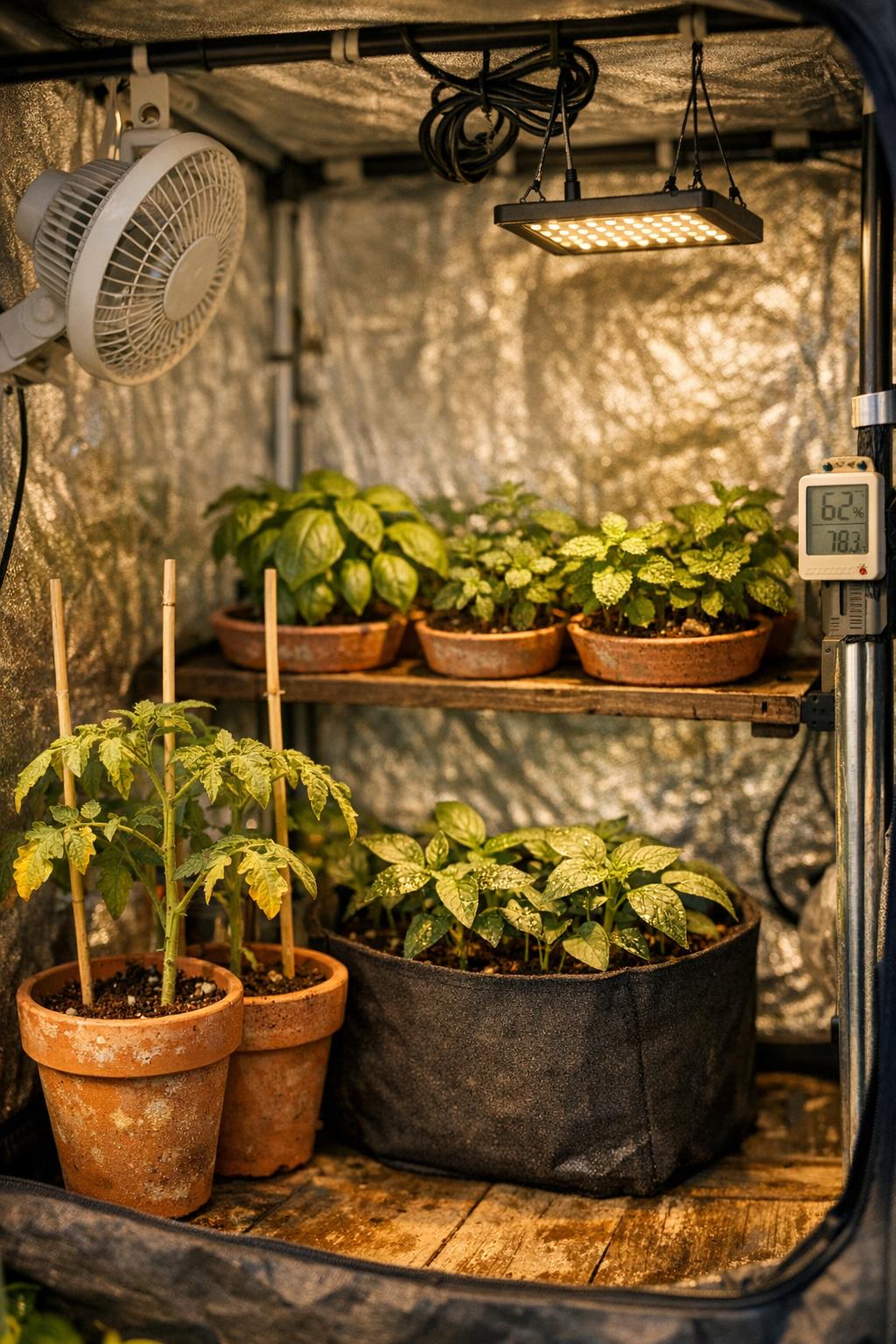
Growing plants inside a grow tent has completely changed the way I garden. A grow tent gives me control over light, air, and moisture in a way that simply is not possible anywhere else indoors. From the very first setup, it becomes clear that every part of the process is shaped by the enclosed environment of a grow tent.
Whether you are new to indoor gardening or refining an existing setup, grow tents create a stable and repeatable space for growing. In this article I will walk through how I approach plant care entirely within a grow tent, focusing on the systems and habits that actually matter when everything happens under fabric walls and artificial light.
Why Growing in a Grow Tent Works So Well
The biggest advantage of a grow tent is environmental control. Inside a grow tent, light does not escape, humidity does not drift across the house, and temperatures are easier to manage. This contained space allows plants to receive consistent conditions from seed to harvest.
Unlike an open room setup, grow tents are designed with reflective interiors. This means every bit of light from your grow light remains inside the tent and reaches your plants. In my experience, this alone leads to stronger growth and more even plant structure inside a grow tent.
Choosing the Right Plants for a Grow Tent
Not every plant is suited for a grow tent, especially when space is limited. I prefer compact plants that respond well to artificial light and controlled feeding. Herbs, leafy greens, peppers, and many flowering plants adapt very well to a grow tent environment.
When selecting plants, I always consider final height and width inside the grow tent. Vertical space disappears quickly once lights, hangers, and ventilation are installed. Choosing plants with manageable growth keeps the grow tent organized and easier to maintain.
Lighting Inside a Grow Tent
Lighting is the heart of any grow tent setup. Since plants inside a grow tent rely completely on artificial light, quality and placement matter. I use adjustable fixtures so I can raise or lower the light as plants grow within the tent.
Keeping the correct distance between the light and the plant canopy prevents stress. Inside a grow tent, light intensity builds quickly because of reflective walls. I check leaf response often and make small adjustments rather than drastic changes.
Managing Airflow and Ventilation in Grow Tents
Airflow inside a grow tent is not optional. Without proper ventilation, heat and humidity can build up fast. I always use an exhaust fan paired with a passive or active intake to keep fresh air moving through the grow tent.
Circulation fans inside the grow tent strengthen plant stems and prevent stale air pockets. I position fans so they create gentle movement rather than direct wind. Inside a closed grow tent, balanced airflow keeps plants healthier and reduces moisture issues.
Watering and Feeding Plants in a Grow Tent
Watering inside a grow tent requires a different mindset than other forms of gardening. Pots dry out at predictable rates due to consistent temperatures and airflow. I water based on plant weight and root condition rather than a fixed schedule.
Feeding plants inside a grow tent also tends to be more precise. Since the environment is controlled, nutrients are used more efficiently. I prefer starting with low strength feedings and increasing slowly as plants show demand within the grow tent.
Controlling Temperature and Humidity
A grow tent allows fine control over temperature and humidity, but it also means small changes happen fast. I use a combined thermometer and hygrometer placed at canopy height inside the grow tent. This gives an accurate picture of what the plants actually experience.
If humidity climbs too high inside the grow tent, I increase exhaust speed or reduce watering volume. During dry periods, a small humidifier placed just outside the intake can stabilize conditions inside the grow tent.
Keeping a Clean and Organized Grow Tent
Cleanliness matters more inside a grow tent than in nearly any other environment. I regularly wipe down interior walls and remove dead leaves. In a closed grow tent, pests and diseases spread quickly if left unchecked.
Organizing cables, pots, and tools inside the grow tent also makes daily care easier. When everything has a place, I spend less time adjusting equipment and more time observing plant health.
FAQ About Growing Inside a Grow Tent
How often should I check my grow tent each day
I check my grow tent at least once a day. Since the environment is enclosed, issues like heat spikes or dry soil can develop quickly. Daily observation keeps problems small.
Can I run a grow tent year round
Yes, a grow tent is ideal for year round growing. Because lighting and climate are controlled, seasons do not limit plant growth inside a grow tent.
Do grow tents smell
When properly ventilated, grow tents should not spread strong odors. A good exhaust setup moves air efficiently and keeps smells contained within the grow tent system.
Is a small grow tent worth it
Even a small grow tent is worth using. Limited space still benefits from controlled light and airflow. I often recommend small grow tents for beginners because they are easier to manage.
Final Thoughts on Grow Tent Gardening
Growing plants inside a grow tent is about control and consistency. Every detail from lighting to airflow matters more because the space is enclosed. Once you understand how your grow tent responds, plant care becomes simpler and more predictable.
For me, a grow tent is not just equipment. It is a complete growing environment that rewards attention and patience. When set up and managed properly, grow tents produce healthy plants in a way few other indoor systems can match.


