
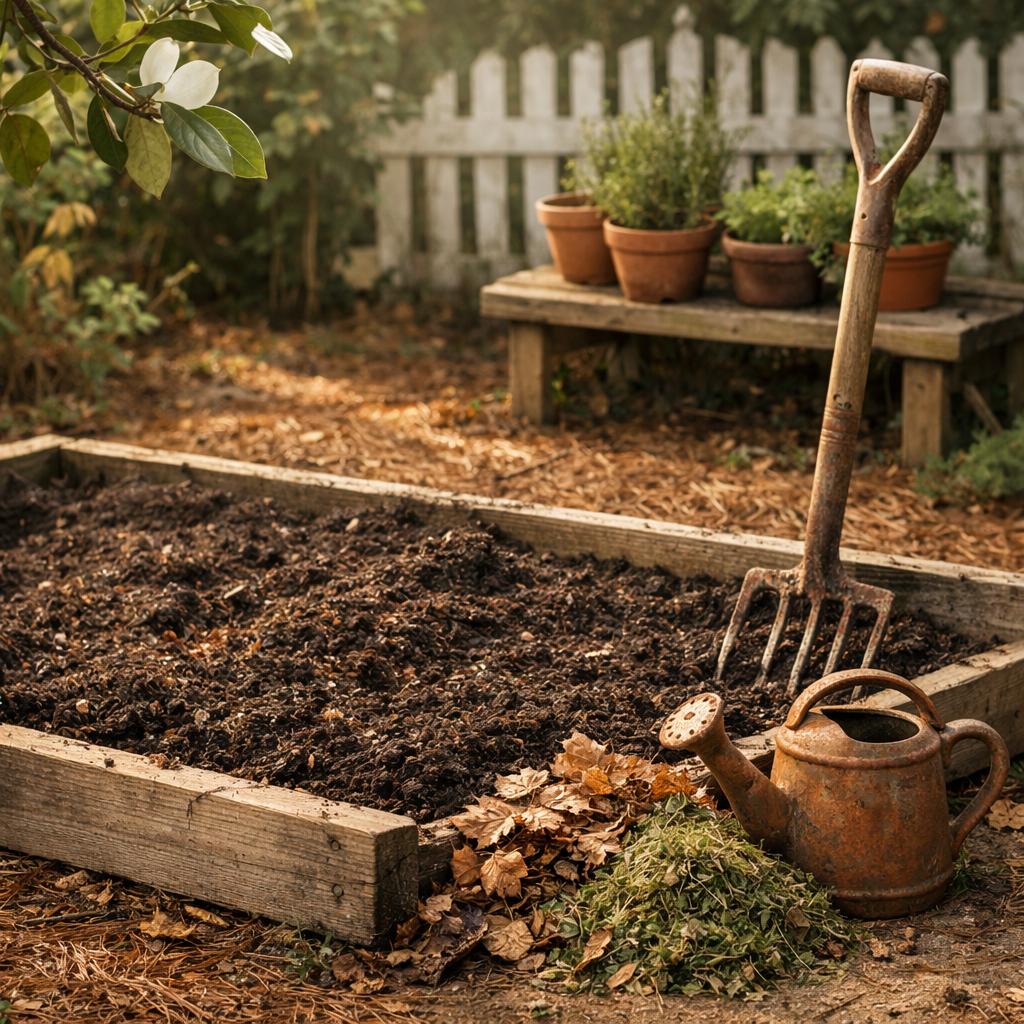
Why garden soil deserves your attention
I have learned over the years that most garden problems start in the soil. Weak plants pest issues and poor harvests often come down to what is happening under the surface. Healthy soil is not just dirt. It is a living system full of organisms air water and structure. When I stopped treating soil like a passive growing medium and started caring for it like a garden in itself my results improved across the board.
Good soil holds moisture without becoming soggy drains excess water feeds plants slowly and allows roots to spread easily. This balance cannot be bought in a bag and dumped into a bed. It is built step by step.
Understanding what healthy soil looks like
Before changing your soil it helps to know what you are aiming for. Healthy garden soil is dark crumbly and slightly moist. When you squeeze it in your hand it should hold together briefly and then fall apart. It should smell earthy not sour or chemical.
Texture matters. Sandy soil drains too fast and struggles to hold nutrients. Heavy clay holds water and compacts easily. The goal is a loam like balance that borrows the best from both. You do not need lab perfection. You need improvement over time.
Start with organic matter every season
If I had to give one piece of soil advice this would be it. Add organic matter regularly. Compost aged manure leaf mold and garden waste all count. Organic matter feeds soil life and improves structure at the same time.
I add compost at least once a year usually in spring or fall. A layer of five to eight centimeters spread on the surface and gently worked in is enough. Over time this creates soil that almost takes care of itself.
Do not worry about perfect compost. Slightly unfinished compost still improves soil. Nature finishes the job underground.
Stop overworking the soil
It is tempting to dig and turn soil often especially when starting a new bed. I used to do this and thought more effort meant better soil. In reality excessive tilling breaks down soil structure and disturbs beneficial organisms.
These days I loosen soil only when necessary and avoid deep digging unless I am correcting compaction. Top dressing with compost and letting worms do the work has been far more effective.
Mulch is not optional
Leaving bare soil is one of the fastest ways to undo your hard work. Mulch protects soil from temperature swings erosion and moisture loss. It also feeds the soil as it breaks down.
I use leaf mulch straw untreated grass clippings or shredded bark depending on the bed. A layer thick enough to block light but not smother plants works best. Over time mulch becomes part of the soil itself.
Water with soil health in mind
Watering habits directly affect soil quality. Frequent shallow watering encourages weak roots and compaction near the surface. Deep less frequent watering supports deeper root growth and better soil structure.
Whenever possible I water early in the day and focus on soaking the soil thoroughly. Healthy soil with organic matter holds that water where plants can reach it.
Be careful with fertilizers
I am not against fertilizers but I am selective. Quick acting synthetic products can push top growth while doing nothing for soil life. Over time they can even make soil less resilient.
I prefer slow release organic options and compost as my primary fertility sources. Plants grow steadily and the soil improves instead of degrading. Feeding the soil first always pays off.
Common mistakes I see gardeners make
One mistake is expecting instant results. Soil building is a process measured in seasons not weekends. Another is adding only one input such as sand or peat and expecting a miracle. Balance matters.
Ignoring soil tests is another issue. You do not need frequent testing but an occasional check helps avoid extreme imbalances. Finally many gardeners forget that soil is alive. Respect that life and you will see the difference.
FAQ
How long does it take to improve garden soil
You can see small improvements within one growing season especially in drainage and moisture retention. Significant lasting change usually takes two to three years of consistent organic matter additions and good practices.
Can I build healthy soil in raised beds
Yes and raised beds are often easier to improve. Start with a diverse mix and keep adding compost each year. Avoid letting the soil dry out completely or compact from foot traffic.
Is store bought soil enough on its own
Store bought soil can be a good starting point but it is not a finish line. Most mixes benefit from added compost and ongoing care just like native soil.
Do I need worms or special microbes
No special purchases are required. If you add organic matter avoid chemicals and keep soil covered life will move in on its own. Worms are usually a sign that you are doing things right.
Final thoughts from my garden
Building healthy garden soil is one of the most satisfying parts of gardening. It rewards patience observation and restraint. When the soil improves everything else becomes easier. Plants grow stronger problems decrease and the garden feels more balanced. I see soil work as an investment that keeps paying back year after year.


