
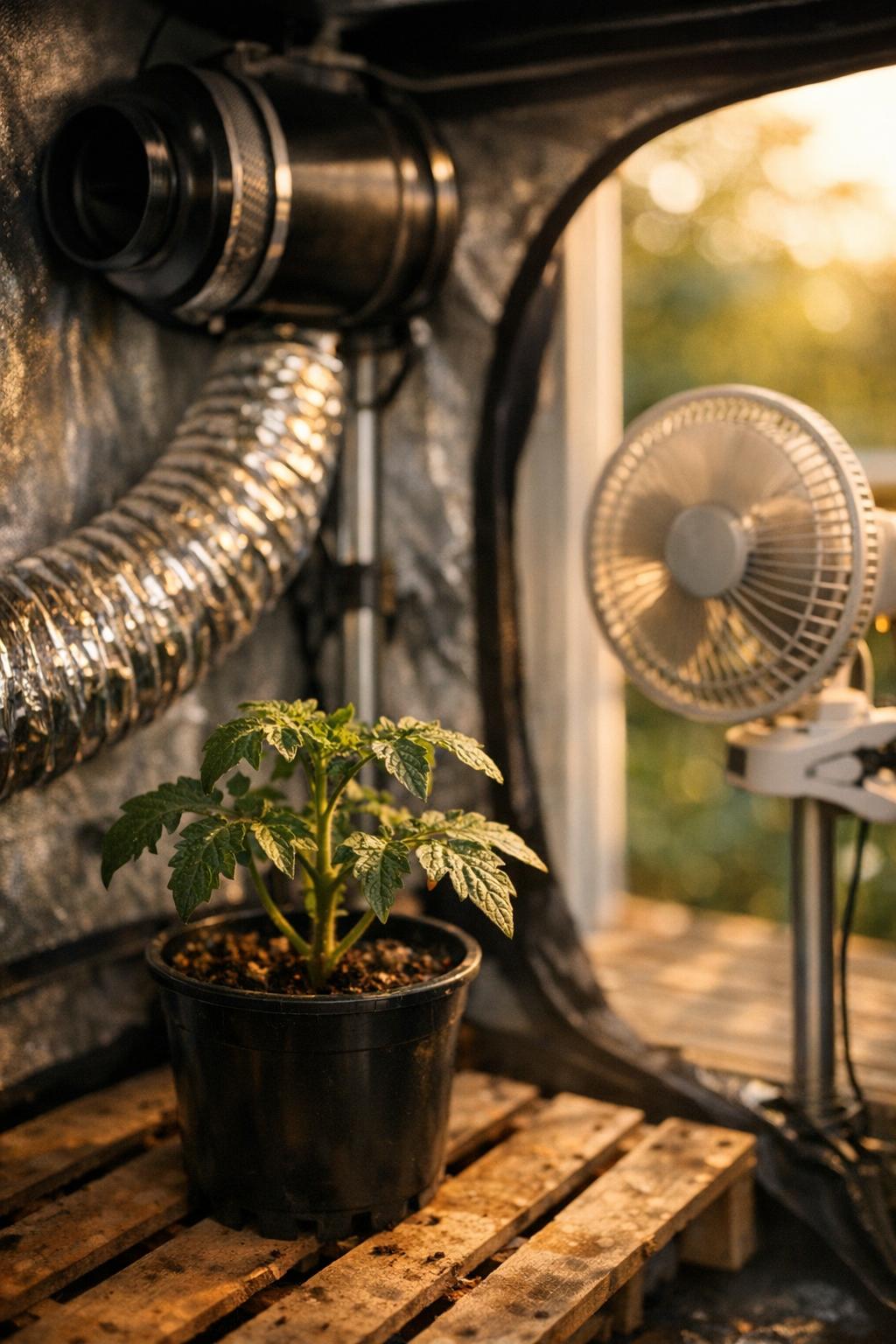
When the walls of your grow tent start pulling inward, zippers strain, and odor begins slipping into the room, you are not dealing with a plant problem. You are dealing with airflow imbalance inside your grow tent. This is one of the most common system level failures I see in indoor grow tents, and it is almost always caused by incorrect exhaust to intake ratios.
In a grow tent, air pressure is not just about ventilation. It controls odor containment, temperature stability, carbon filter efficiency, and even how evenly air circulates across the canopy. If your grow tent walls are sucked in too hard or barely moving at all, your air system is not balanced. Below is exactly how I diagnose and fix it.
Understanding What Wall Suck In Means Inside a Grow Tent
A slight inward pull on the walls of a grow tent is good. It means you have negative pressure. Negative pressure forces all air leaving the tent to exit through your exhaust fan and carbon filter rather than leaking from seams or zipper lines.
But excessive wall suck in means your exhaust fan is pulling more air out of the grow tent than your intake system can replace. This creates three system problems:
- Reduced airflow volume across the canopy
- Overworked exhaust fan and reduced filter life
- Restricted passive intake ports limiting fresh air
If your tent looks vacuum sealed, airflow inside the grow tent is actually decreasing even though the fan sounds powerful.
Step 1 Confirm Your Intake Configuration
Passive Intake Diagnosis
Most grow tents rely on passive intake flaps near the bottom. These only work if there is enough open surface area to match your exhaust output.
Open all lower intake flaps fully. If your grow tent walls relax slightly and airflow improves, restricted intake was your issue.
If you are using fine mesh screens, remove them temporarily and observe the wall tension. Many grow tents lose up to thirty percent airflow because of restrictive intake mesh.
Active Intake Diagnosis
If you are running an intake fan in your grow tent, check its cubic feet per minute rating against your exhaust fan. Intake airflow should be slightly lower than exhaust, but not dramatically lower.
If exhaust is double your intake capacity, the grow tent will collapse inward and starve for real airflow movement.
Step 2 Measure Real Airflow Instead of Guessing
Sound is not airflow. I always test using a simple method inside the grow tent.
Hold a strip of lightweight fabric near an intake port. It should pull inward gently, not snap aggressively against the mesh. Then check inside the grow tent canopy with a smoke pen or incense. The smoke should move steadily across the space and exit through the carbon filter path.
If smoke lingers in corners, your grow tent has high static pressure but poor internal circulation. That is imbalance, not strength.
Step 3 Fix Excessive Negative Pressure
Option One Increase Intake Area
The simplest fix inside a grow tent is opening additional lower duct ports to function as passive intake. More intake surface reduces vacuum intensity without sacrificing odor control.
If your grow tent allows duct sleeves instead of flap windows, remove the drawstrings and fully open one extra port.
Option Two Reduce Exhaust Speed
If your inline fan is running at full speed in a small grow tent, reduce it using a speed controller. Lowering speed by even ten percent often corrects wall collapse while maintaining adequate negative pressure.
Always adjust gradually. After each adjustment, wait ten minutes and observe wall tension and internal air movement.
Option Three Upgrade Intake To Active
In high restriction systems such as grow tents with long duct runs or dense carbon filters, passive intake may not keep up. Installing a small booster fan as intake stabilizes air supply and prevents tent deformation.
Match intake to about eighty percent of exhaust rating. That keeps grow tent pressure negative without starving airflow.
Step 4 Check Carbon Filter Resistance
A partially clogged carbon filter inside a grow tent increases static pressure dramatically. This can exaggerate wall suck in while reducing real air exchange.
With the grow tent running, disconnect the filter briefly and observe wall movement. If wall tension drops significantly, your filter is adding excessive restriction.
Replace or rotate the carbon filter if air movement inside the grow tent improves noticeably without it.
Step 5 Balance Internal Circulation Fans
Oscillating fans inside a grow tent do not fix pressure problems, but they distribute incoming air more effectively.
If your tent walls are pulling inward heavily, internal fans may actually worsen canopy stagnation by fighting restricted intake flow.
After correcting intake and exhaust balance, reposition circulation fans so they create a gentle circular pattern toward the exhaust side of the grow tent. This supports pressure driven airflow instead of working against it.
Advanced Optimization For Stable Grow Tent Pressure
Use a Manometer
If you want precision, install a simple differential pressure gauge with one tube inside the grow tent and one outside. Ideal negative pressure in most grow tents is subtle. Just enough to pull walls inward slightly.
Large pressure differences indicate intake restriction or excessive exhaust.
Shorten Duct Runs
Every bend in ducting inside or outside your grow tent increases resistance. Straight, short ducting reduces required fan speed and helps maintain smoother pressure levels.
If your grow tent walls pulse when the fan oscillates, duct restriction is amplifying airflow instability.
Troubleshooting Grow Tent Wall Suck In And Odor Leaks
Why Do I Smell Odor Even With Walls Sucked In
Extreme negative pressure can pull unfiltered air through micro gaps before it reaches the carbon filter intake path. Balance intake rather than increasing exhaust strength.
Why Did My Grow Tent Suddenly Start Collapsing More Than Before
Check for clogged carbon filters, blocked intake flaps, or a recently cleaned room that reduced external air availability. Even closing the room door tightly can restrict intake supply to the grow tent.
Can Too Much Negative Pressure Damage Equipment
Yes. Zippers strain, seams stretch, and fan motors run hotter under high resistance. Over time this shortens the life of your grow tent and your ventilation system.
Should The Walls Be Perfectly Straight
No. A grow tent with perfectly straight walls often means neutral or positive pressure. That risks odor leaks. Slight inward tension is correct. Severe collapse is not.
My Standard Pressure Check Routine
Whenever I set up a new grow tent, I follow this routine:
- Run exhaust at medium speed
- Open at least two passive intake ports fully
- Observe wall tension after fifteen minutes
- Test smoke movement across canopy
- Fine tune fan speed until walls pull in gently but remain structurally firm
This process keeps airflow efficient, carbon filters working properly, and the grow tent structure stable. Pressure balance inside grow tents is not about maximum suction. It is about controlled air replacement.
Once you dial it in correctly, your grow tent will hold odor, maintain consistent airflow, and avoid the stress and inefficiency that come with excessive wall suck in.


