
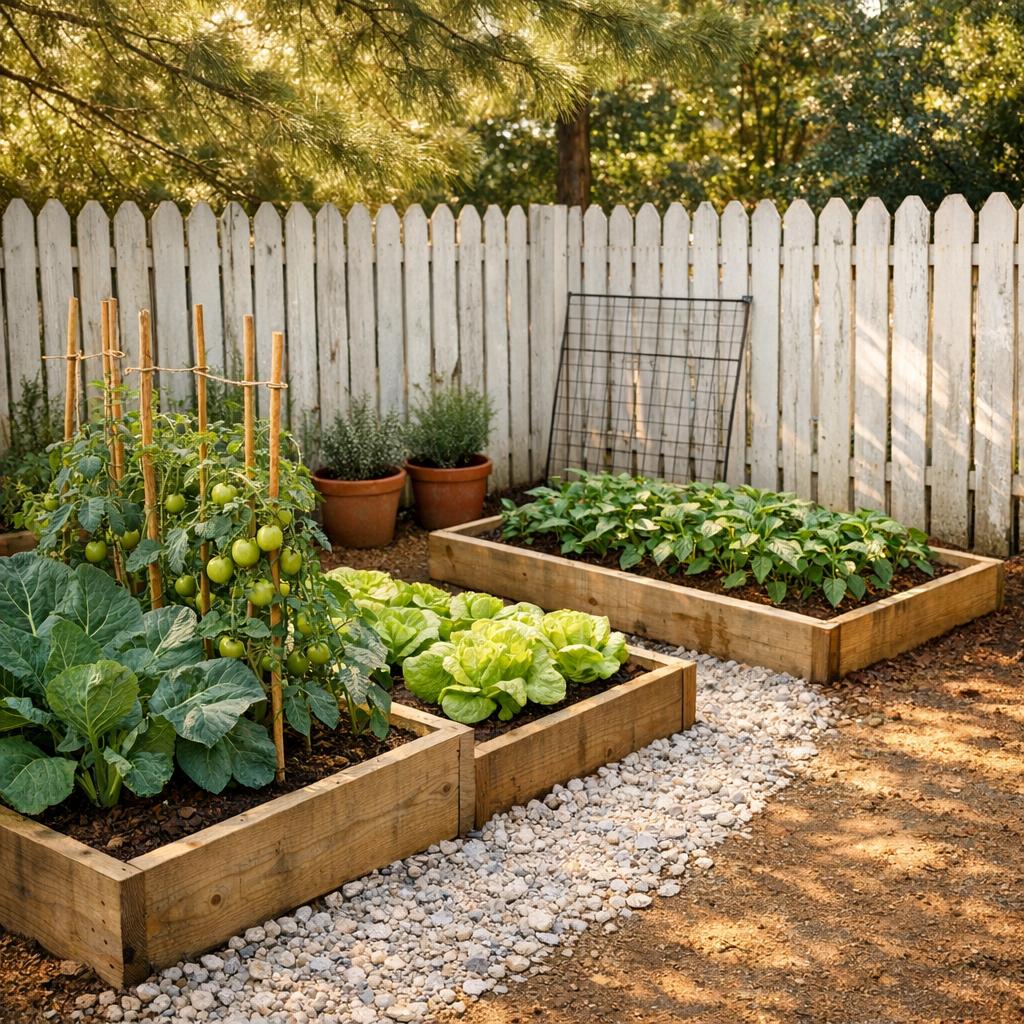
Why I Stopped Overcomplicating Vegetable Gardening
I have started many vegetable gardens over the years. Some flourished and some quietly failed. The biggest change that led to consistent success was letting go of complicated systems and focusing on plants that want to grow. A vegetable garden should feed you not frustrate you.
If you are new to gardening or returning after a break this approach will help you build confidence fast. I focus on soil sunlight water and patience. Everything else is optional.
Choosing the Right Space
Vegetables need light more than they need perfect soil. I look for a spot that gets at least six hours of sun each day. Morning sun is ideal but steady afternoon sun also works.
If your space is limited do not worry. Raised beds pots or even large buckets can grow impressive plants. What matters is consistency in care and drainage that allows roots to breathe.
Starting With Crops That Want to Succeed
Some vegetables forgive mistakes. Others do not. I always recommend starting with crops that grow fast and show visible progress. This keeps motivation high.
My reliable starter vegetables
Lettuce grows quickly and handles cool weather well. Radishes sprout fast and show results in weeks. Beans are generous and easy to spot when something goes wrong. Tomatoes need more attention but reward you heavily once you learn their habits.
I avoid slow crops during the first season. A long wait can make beginners think they are doing something wrong.
Soil That Supports Growth Not Stress
Good soil feels alive. It crumbles in your hand and smells earthy not sour. I do not stress about soil tests when starting out. Instead I add compost liberally and let plants show me what they need.
If your soil is heavy clay or very sandy mixing in compost improves structure over time. Soil is not fixed. It responds to care season after season.
Watering With Intention
Most vegetable problems trace back to watering. Too much causes weak roots. Too little causes stress and bitterness.
I water deeply and less often. This encourages roots to travel downward where moisture lasts longer. Early morning watering reduces disease and keeps leaves dry as the day warms.
Mulch Is Your Quiet Assistant
Once plants are established I add mulch around them. Straw leaves or untreated grass clippings work well. Mulch keeps soil cool holds moisture and limits weeds.
This single habit reduces maintenance and improves plant health more than any product I have tried.
Learning From the Plants
Plants communicate through growth color and vigor. Yellow leaves usually point to stress not mystery. Stunted growth often means cold soil or lack of nutrients.
I walk through the garden daily. This habit helps me catch issues early and enjoy the space. Observation is the most underrated gardening skill.
Expect Imperfection and Keep Planting
No garden is flawless. Some seeds fail. Some plants bolt or invite insects. This is normal.
The key is to keep planting. Succession planting allows new crops to take over as others finish. It also spreads out harvests and learning opportunities.
FAQ
How big should my first vegetable garden be
Start small. A bed you can manage comfortably will teach you more than a large space that feels overwhelming. You can always expand later.
Do I need fertilizer right away
If you add compost at planting time you may not need more during the first season. Watch plant growth and adjust only if needed.
What if I miss a day of watering
Most vegetables can handle short dry periods. Deep watering habits help plants recover quickly. Do not panic.
Can I garden if I only have containers
Yes. Containers can be very productive with proper drainage sunlight and regular water. Choose varieties suited to pots.
When will I know I am doing it right
When you harvest food you grew yourself. Even a small harvest counts. Gardening success is measured in lessons learned as much as pounds picked.


