
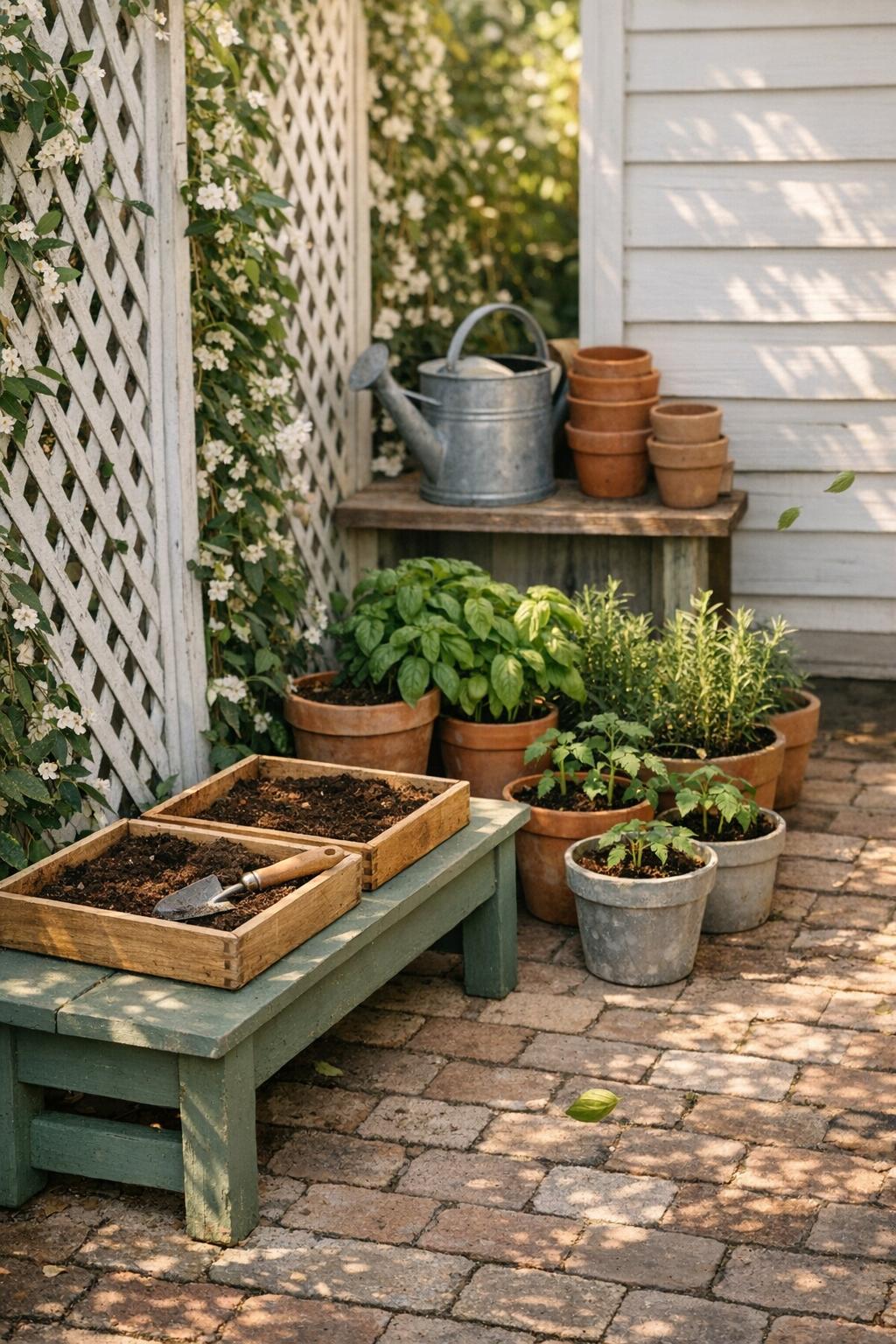
Why a Small Kitchen Garden Makes Sense
I believe almost everyone can grow some of their own food, even without a yard. A small kitchen garden is not about chasing perfection or feeding a family for a year. It is about freshness, control, and the quiet satisfaction of harvesting something you grew yourself. Small spaces often get dismissed as limiting, but in reality they encourage better choices and smarter care.
When space is tight, every plant earns its place. You pay closer attention to light, watering, and harvest timing. In my experience, this leads to healthier plants and far less waste. A few well cared for containers can outperform a large neglected plot.
Choosing the Right Location
Light is the first decision and the most important. Most edible plants want generous sunlight, ideally six hours or more each day. A balcony, patio, sunny window, or even a doorstep can work if the light is consistent.
I always suggest watching the space for a full day before planting. Notice where the sun lingers and where shade creeps in. Morning light is gentle and excellent for leafy greens. Strong afternoon sun is better for fruiting plants such as tomatoes and peppers.
Containers That Actually Work
Containers are the backbone of small space gardening. Almost anything that holds soil and drains water can work, but not everything works well. I am opinionated here. Choose containers that are deep enough and sturdy enough to last more than one season.
For most herbs and greens, a depth of at least eight inches is comfortable. Tomatoes and larger plants are happier with twelve inches or more. Always ensure there are drainage holes. Roots sitting in water rarely forgive that mistake.
Material matters less than people think. Plastic holds moisture well. Clay breathes but dries faster. Fabric grow bags are lightweight and forgiving. Pick what fits your space and your watering habits.
Soil Is Where Success Starts
Using the right soil makes everything easier. I strongly advise against using garden soil in containers. It compacts, drains poorly, and invites problems. A quality potting mix is designed for containers and gives roots air as well as moisture.
If you want to improve it, mix in compost for nutrients and a bit of perlite or coarse sand for drainage. Do not overdo amendments. Plants prefer consistency over complexity.
What to Grow When Space Is Limited
This is where restraint pays off. Focus on plants that give frequent harvests or high value. Leafy greens like lettuce, spinach, and arugula are quick and generous. Herbs such as basil, parsley, and chives are perfect for containers and elevate everyday cooking.
For a little adventure, try cherry tomatoes, compact peppers, or dwarf beans. These provide real substance without overwhelming a small space. Root crops are possible but usually less rewarding unless you really love them.
Watering Without the Guesswork
Container gardens dry out faster than ground beds. Regular watering is not optional. I prefer a simple routine rather than fancy tools. Check moisture daily, especially in warm weather. Water deeply when the top inch of soil feels dry.
Morning watering is ideal because it prepares plants for the day and reduces disease risk. If you forget occasionally, do not panic. Plants are tougher than we think, but consistency will always show in the harvest.
Feeding Plants Gently
Because nutrients wash out of containers, feeding matters. I favor mild, regular feeding over strong doses. A balanced liquid fertilizer every two to three weeks works well for most kitchen garden plants.
Watch your plants. Pale leaves often signal hunger, while excessive leafy growth with little harvest suggests too much feeding. Let the plants guide you rather than a strict schedule.
Simple Maintenance That Pays Off
Small gardens reward attention. Harvest often to encourage more growth. Remove dead leaves to keep plants tidy and healthy. Turn containers occasionally so plants grow evenly toward the light.
Pests are usually easier to manage in small spaces. Hand removal, a strong spray of water, or insecticidal soap solves most problems if caught early. I rarely see the need for harsh treatments.
FAQ
Can I grow a kitchen garden indoors
Yes, with enough light. A sunny window or a quality grow light can support herbs and greens very well. Fruiting plants need stronger light and more space.
How many plants should I start with
Start small. Three to five containers are plenty for a beginner. It is easier to add more later than to rescue neglected plants.
Do I need special seeds for small spaces
Not always, but compact or dwarf varieties are often easier to manage. Read seed descriptions and look for plants suited to containers.
What is the biggest mistake beginners make
Overcrowding. Giving each plant enough space and light leads to better growth and fewer problems.
Is a small kitchen garden really worth the effort
In my view, absolutely. The flavor, convenience, and sense of connection easily outweigh the modest time and cost involved.


